Green Initiatives: How E-Waste Recycling Services Are Protecting Our Planet
Electronic waste presents serious dangers to the environment, as disposed electronics frequently harbor hazardous substances. These toxic materials have the potential to taint soil and water sources, resulting in widespread environmental harm. E-waste recycling services present a viable solution. They successfully retrieve useful resources while simultaneously minimizing environmental pollution. Gaining insight into how these programs function and affect local communities is critical. The journey towards effective e-waste management raises critical questions about individual responsibility and collective action. What actions should be considered going forward?
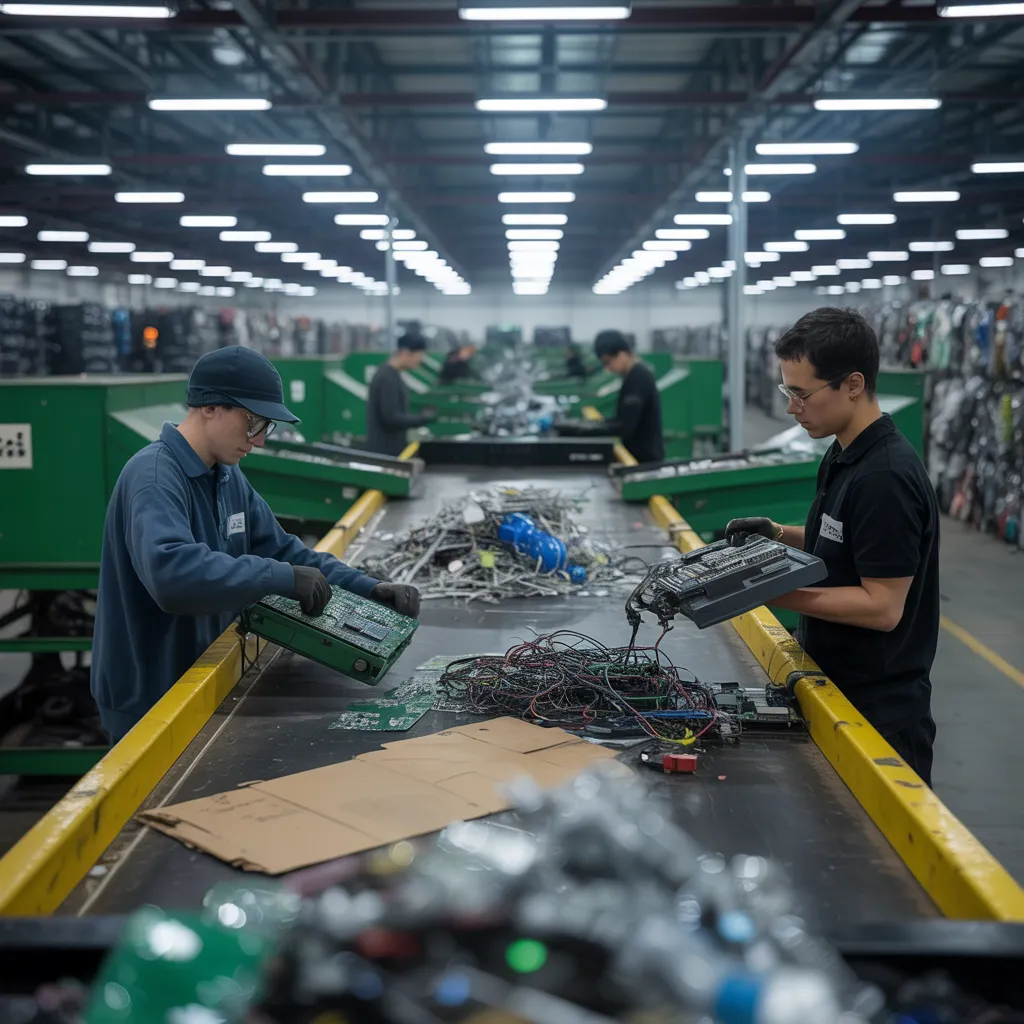
The Reasons E-Waste Is Damaging to the Planet
Even though technological advancements improve our daily lives, e-waste creates considerable environmental hazards. Abandoned electronic gadgets, frequently composed of toxic substances including mercury, lead, and cadmium, can leach toxins into soil and groundwater, creating hazards for both wildlife and human well-being. The accelerating rate of technological innovation leads to greater consumer replacement of electronic devices, worsening the buildup of electronic waste.
Landfills, already overwhelmed with refuse, find it difficult to handle the increasing amounts of discarded devices. Burning, an alternative disposal approach, discharges toxic contaminants into the air, worsening overall air quality. Furthermore, inadequate recycling methods can result in the shipment of electronic waste to underdeveloped nations, where workers may break down equipment without proper protective measures, putting themselves at risk of exposure to hazardous materials. This cycle of neglect and improper handling underscores the urgent need for sustainable recycling solutions that can mitigate the adverse effects of e-waste on the planet.
Understanding E-Waste and Its Significance
E-waste, also referred to as electronic waste, includes unwanted electronic equipment such as smartphones, computers, and televisions that have reached the end of their useful life. This increasingly prevalent form of waste is important because of its swift buildup, driven by technological advancements and consumer trends. As more devices become obsolete, the environmental impact intensifies, with dangerous elements including lead, mercury, and cadmium presenting serious hazards to the environment and human well-being.
Addressing e-waste is crucial not only for reducing these dangers but also for acknowledging the precious materials found within it. Critical metals and rare earth components can be reclaimed and recycled, decreasing the reliance on mining and protecting natural resources. Through a deeper awareness of e-waste and its consequences, both individuals and organizations can make well-informed choices regarding disposal and recycling, thereby supporting a more sustainable future. Proper management of e-waste is essential for fostering a circular economy and promoting environmental stewardship.
The Way E-Waste Recycling Functions
E-waste recycling entails a structured approach intended to extract beneficial components while minimizing environmental impact. Initially, discarded electronics are retrieved and sent to purpose-built recycling plants. Once there, the equipment is meticulously organized to isolate dangerous parts from recoverable materials.
Following this, employees dismantle the items, extracting glass, metals, and plastics. This step is critical, as it facilitates the reclamation of valuable metals like silver, gold, and copper, which can be recycled in new electronic products.
Next, the divided materials are treated through advanced techniques, such as mechanical shredding and chemical processing, to purify them for reuse.
Finally, the remaining dangerous materials are managed properly, complying with eco-friendly standards. This multi-step approach not only conserves resources but also reduces the dangers linked to improper e-waste disposal, ensuring a more sustainable future for the consumption of electronics.
Why E-Waste Recycling Matters for You and Your Community
Although it often goes unnoticed, the advantages of e-waste recycling reach well past personal use to meaningfully influence entire communities. By carefully processing electronic waste, individuals help foster a safer environment, decreasing hazardous materials that can leach into soil and water. This proactive approach actively safeguards local ecosystems and supports public health.
Furthermore, the recycling of e-waste encourages workforce growth within communities. Local recycling facilities often require personnel for diverse activities, from collection to processing, thus generating valuable job opportunities to area workers. This not only enhances the community economy but also encourages community engagement in sustainable practices.
Moreover, knowledge about e-waste recycling is capable of inspiring community outreach programs, equipping residents to adopt eco-friendly choices. By taking part in e-waste recycling programs, individuals cultivate a culture of sustainability, motivating others to join the movement. Ultimately, the combined impact of these actions can create a more robust and eco-friendly community.
A Guide to Selecting an E-Waste Recycling Service
Picking the best e-waste disposal service is vital for making sure that e-waste is handled with responsibility and sustainability. First, consumers should confirm the service's credentials, such as R2 or e-Stewards, which demonstrate adherence to established benchmarks for safe recycling practices. Additionally, it is advisable to examine the organization's standing by reviewing feedback and obtaining referrals from Learn more reliable sources.
Moreover, transparency in the recycling process is vital. A reliable company should offer detailed insights about the way e-waste is handled and how the materials are utilized. Additionally, evaluating the range of services offered can be beneficial; certain providers may offer collection services or present rewards for recycling.
In addition, being aware of area-specific requirements for e-waste disposal can additionally influence the decision-making process. By taking these elements into account, individuals can contribute to successful electronic waste reduction alongside encouraging environmentally responsible practices.
Ways You Can Participate in E-Waste Recycling?
Getting involved with e-waste recycling can start at the local level, where recycling centers regularly supply essential services for safe disposal. Moreover, joining community awareness campaigns can amplify efforts to educate others about the importance of proper e-waste handling. These initiatives not only promote sustainability but also cultivate a collective sense of accountability for the environment.
Nearby Recycling Facilities
Many community recycling facilities fulfill a critical purpose in recycling electronic waste, providing communities with accessible options to manage electronic waste appropriately. These centers accept a variety of electronic devices, including used computers, handheld devices, and televisions, guaranteeing that dangerous substances are processed safely. The majority of facilities employ experienced team members who are able to assist individuals with correct disposal techniques, underscoring the benefits of recycling compared to landfilling. Furthermore, numerous facilities provide planned drop-off gatherings or set collection days, making participation convenient for residents. By utilizing these local services, individuals contribute to a circular economy, lowering environmental harm and encouraging sustainable habits. Connecting with these stations enables communities to combat e-waste pollution successfully.
Community Outreach Campaigns
Nearby organizations, schools, and enterprises can collaborate to host events that promote e-waste collection drives. Volunteers can play a pivotal role in promoting knowledge, handing out educational content, and interacting with the surrounding community. By means of these joint initiatives, residents become more informed and motivated to recycle their electronic waste, thereby helping to build a greener and more sustainable tomorrow.
Common Questions and Answers
What Electronic Devices Are Eligible for Recycling?
Numerous electronics can be recycled, including laptops, televisions, smartphones, printers, computers, and gaming consoles. In addition, peripherals such as mice, keyboards, and batteries are well-suited for recycling, contributing to sustainable environmental practices.
Are There Fees Involved With E-Waste Recycling?
Indeed, e-waste recycling can include charges, depending on the provider. Certain providers charge fees for pickup or handling, while some providers offer free services, typically funded by the proceeds from salvaged materials.
How Do Businesses Gain From E-Waste Recycling?
Companies can take advantage of e-waste recycling by lowering disposal expenses, improving their green reputation, complying with regulations, recovering valuable materials, and possibly earning income through resale, ultimately contributing to a more sustainable operational strategy.
What Becomes of Data on Recycled Devices?
Details regarding recycled electronics is frequently completely removed or destroyed during processing. This confirms private details is kept safe, preventing unauthorized access while allowing materials to be recycled safely and responsibly across new manufacturing processes.
Can I Recycle Broken Electronics?
Absolutely, broken electronics may be recycled. Many recycling centers process non-functioning devices, ensuring proper disposal and retrieval of useful materials. This helps minimize environmental impact while fostering eco-friendly recycling methods to control e-waste properly.